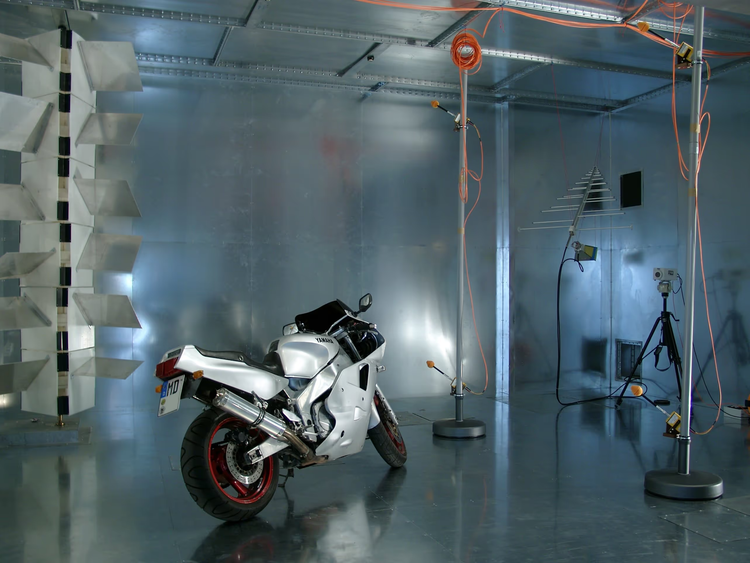
Reverberation Chamber at OVGU
If someone asked me what it’s like to be part of a Marie Skłodowska-Curie doctoral network like NEPIT, the first word that comes to mind is “mobility”. Not an abstract or theoretical mobility, but a real dynamism that change your perspective from day one.
For me, it all began in February 2026 with a one-way ticket for a flight to Berlin, two huge suitcases packed with almost all my belongings, and expectations and bit of anxiety as well. After spending my entire life in Italy, immersed in the usual routine, surrounded by the loved ones, and used to the comforting rhythms of home, packing up those bags felt like a true turning point. My final destination was Magdeburg, where the start of a new academic and personal chapter awaited me.
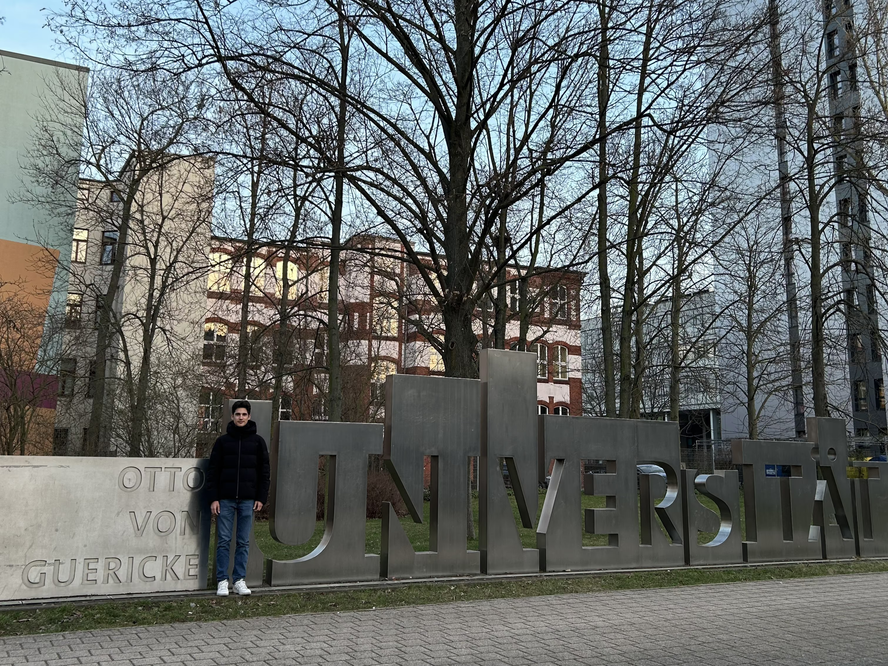
Figure 1. First day at Otto-von-Guericke University Magdeburg
Looking back, I still wonder where I found such confidence: now that I think about it, it was a real leap into the unknown. Moving to a different country (not for a week as a tourist, but to build a daily life there), to a new city, working in a university I’d never seen with a new supervisor and new colleagues, without friends... Everything was uncertain, and a thousand things could have gone wrong.
But if you don’t try, you’ll never know. And today, a few months later, I am grateful to myself for taking this opportunity.
From academia to industry: the secondment in Dresden at LUMILOOP GmbH
Incidentally, my two large suitcases didn’t have time to gather dust in a closet: the adventure had only just begun. Recently, my journey took me to Dresden for a secondment at LUMILOOP GmbH. It was my first real immersion into the world of high-tech industry.
Transitioning from the pace and mindset of academic research to a corporate environment was a motivating shock: here, theory meets market application, precision goes hand-in-hand with efficiency, and ideas must evolve into ready-to-use tools. LUMILOOP is the perfect example of this synergy, as it was founded as a spin-off of the Technische Universität Dresden to commercialize research into optical power and data transmission for advanced sensor technology.
Experiencing this environment reminded me of the profound value of Marie Curie networks: mobility is not just a formal requirement on paper, but the key to stepping out of one’s comfort zone, experiencing industrial innovation, and drawing inspiration and knowledge from the culture of the host locations.
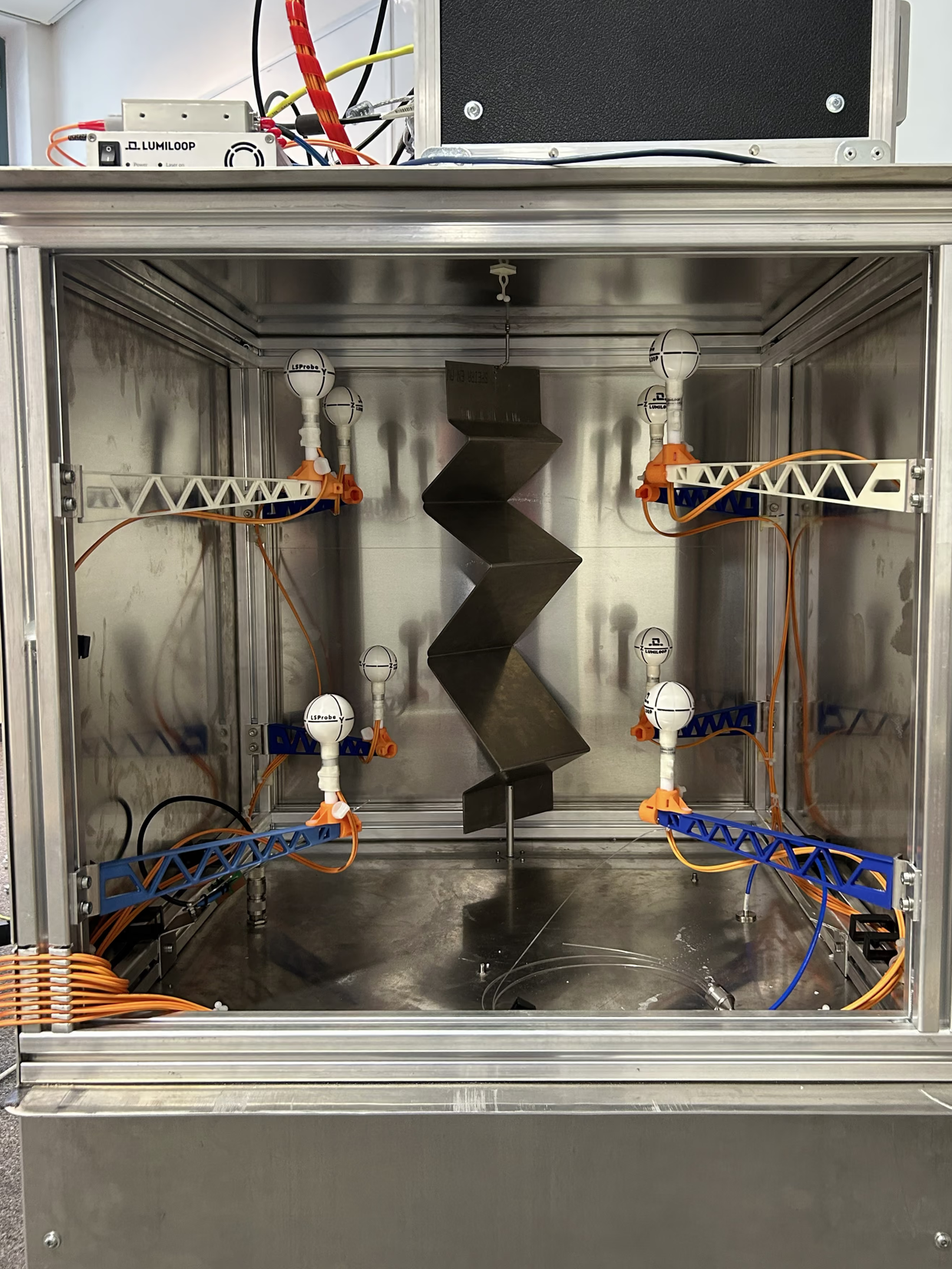
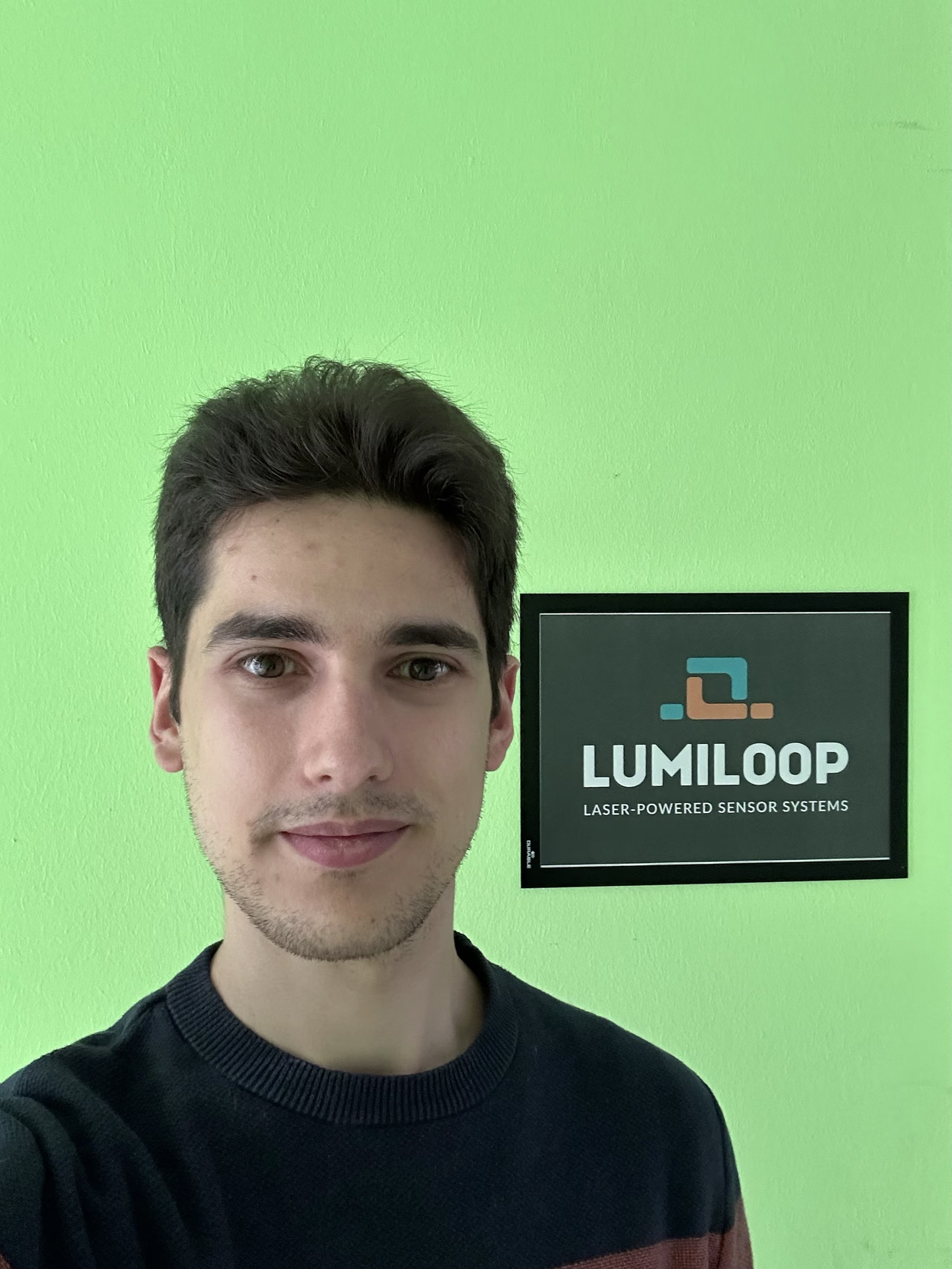
Figure 2. Secondment at LUMILOOP GmbH (Dresden, Germany)
Between electromagnetic waves and classical music: the perfect reverb
Speaking of inspiration, Dresden is not just a cutting-edge technology hub, but also an extraordinary capital of classical music. As a clarinet player and music enthusiast, I couldn't have asked for more. During my months on secondment, I was fortunate enough to enjoy unforgettable evenings at the Semperoper and the Dresden Philharmonie, listening to world-class operas and symphonic concerts.
As I listened to the sound of the orchestra resonating in these historic halls, I couldn't help but smile as an engineer, struck by a curious parallel. In my field of research, we deal with reverberation chambers (used for electromagnetic compatibility testing). The goal there is to create inside them a homogeneous and isotropic electromagnetic field by bouncing waves off metal walls and using rotating paddles (mode stirrers) that continuously mix the resonance modes.
Something similar happens in concert halls, though driven by architectural acoustics. Great designers aimed at achieving the perfect reverberation time: if the hall is too absorbent, the sound becomes too dry; if there is too much reverberation, the notes overlap into an acoustic chaos. The suspended reflectors in the Kulturpalast, for example, function exactly like acoustic "mode stirrers", designed to deliver every harmonic to each listener's ear in the room. Whether dealing with electromagnetic waves in a shielded laboratory or sound waves in an opera house, the fascination of resonance physics remains exactly the same!
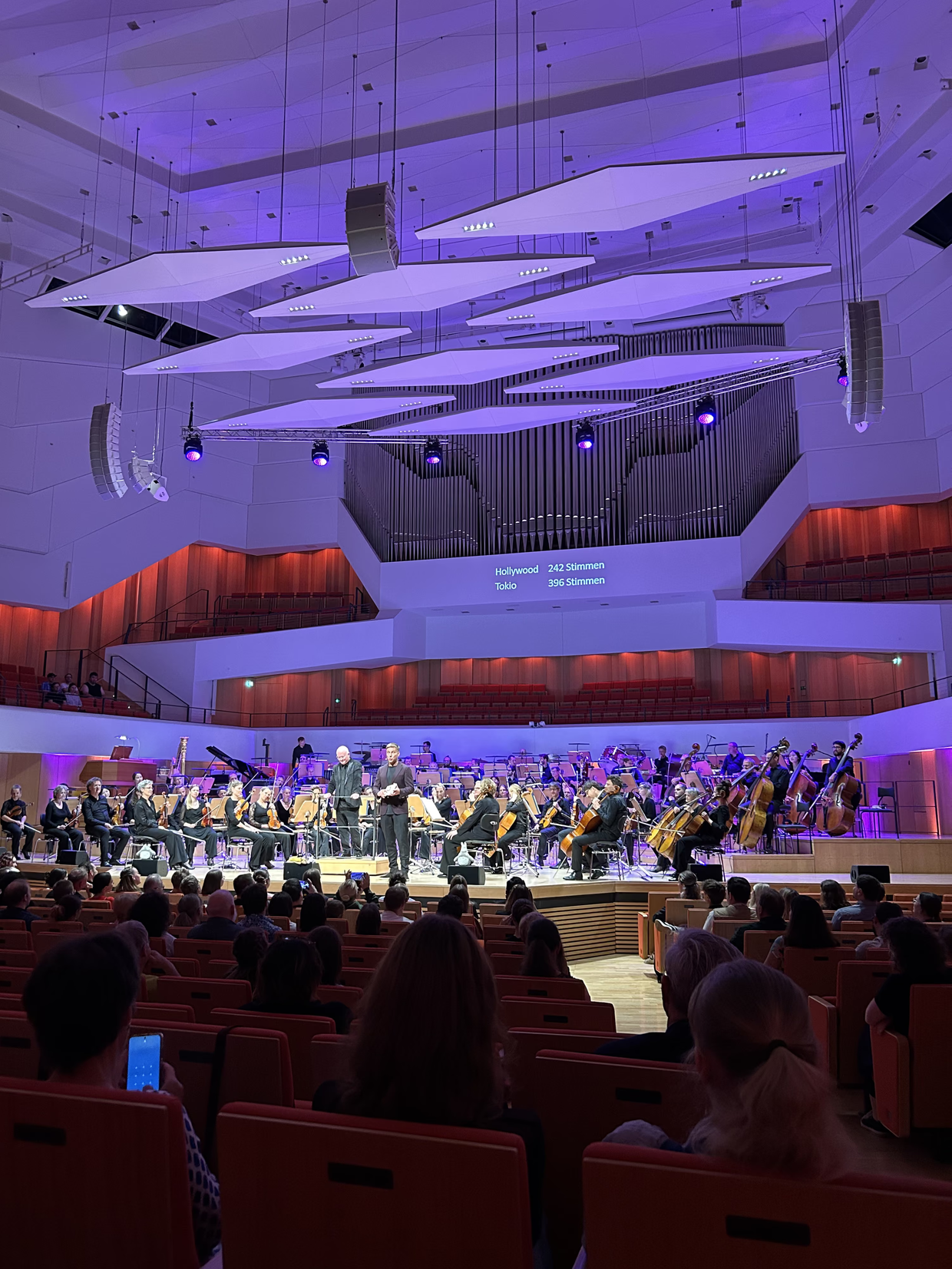
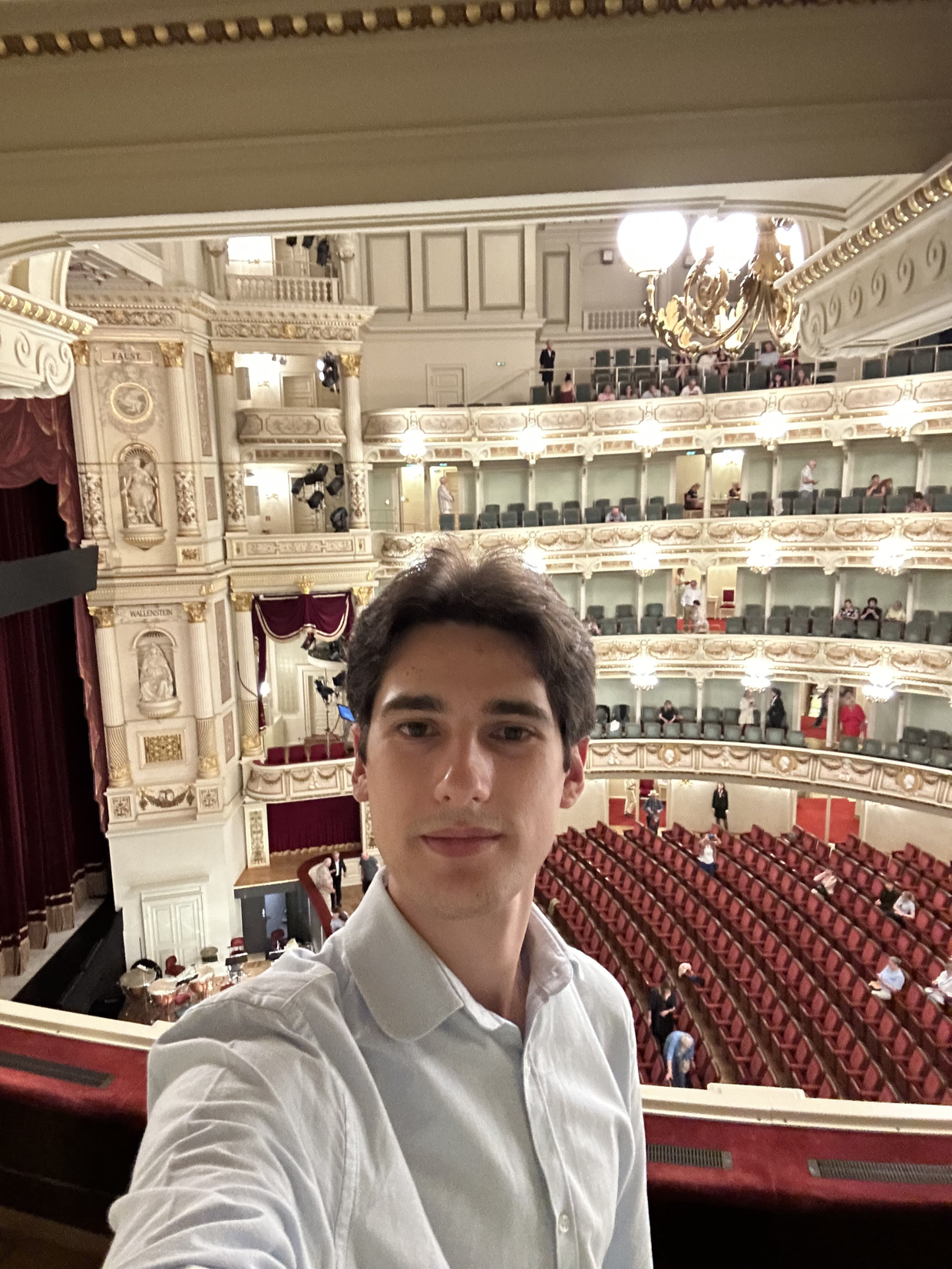
Figure 3. Perfect acoustic reverb in Dresden: Semperoper (left) and Philarmonie (right)
Conclusion
Learning a new language, adapting to a different culture, gaining scientific knowledge every day: this PhD is proving to be much more than just a research journey.
If one is considering applying for a Marie Curie fellowship or embarking on a journey of international mobility, I have just one piece of advice: don’t miss this opportunity. Suitcases feel heavy only before you leave: once you are on your way, they allow for making new experiences, meeting new people and for broadening your perspectives. And all of this will be worth it.