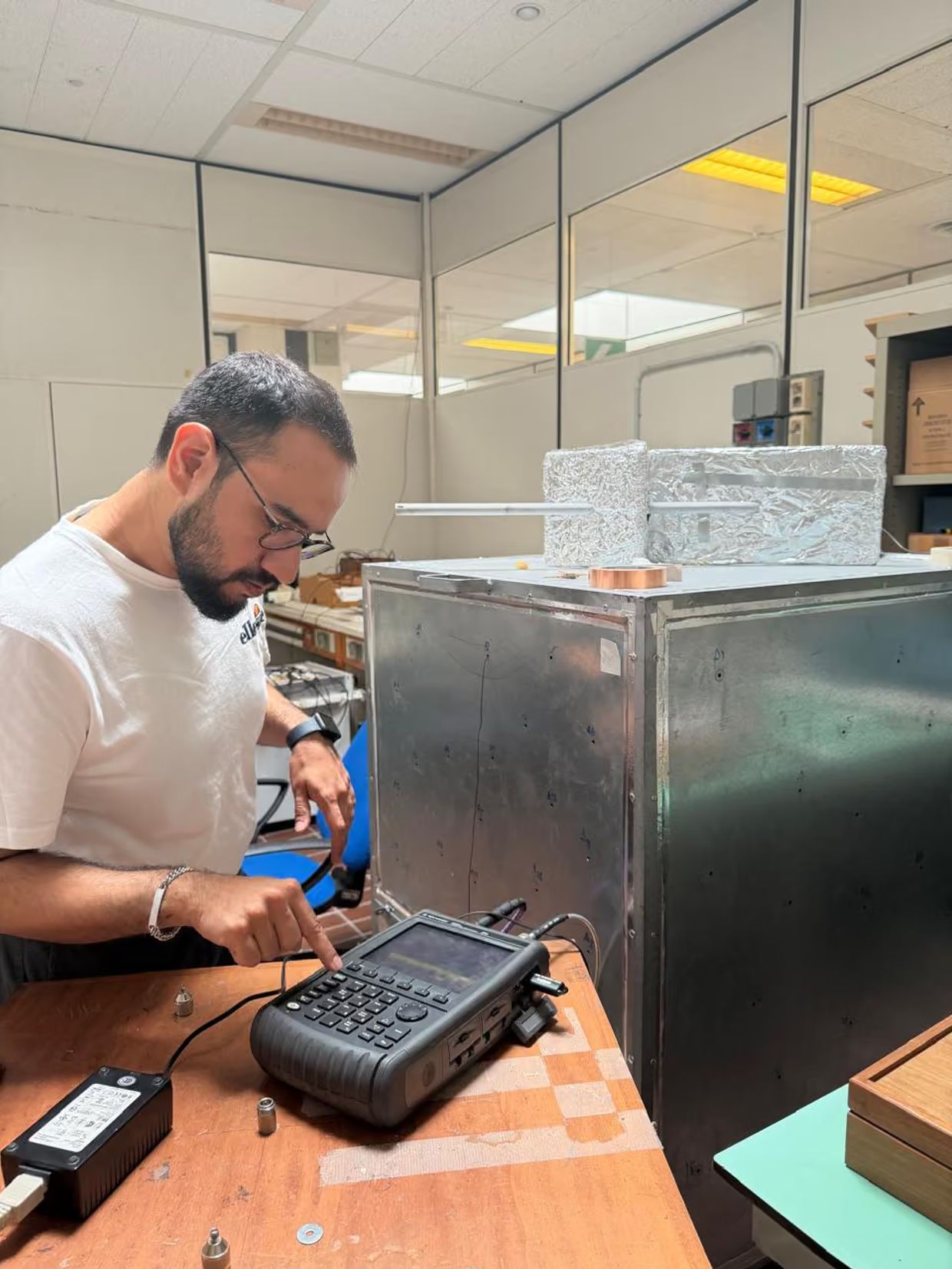
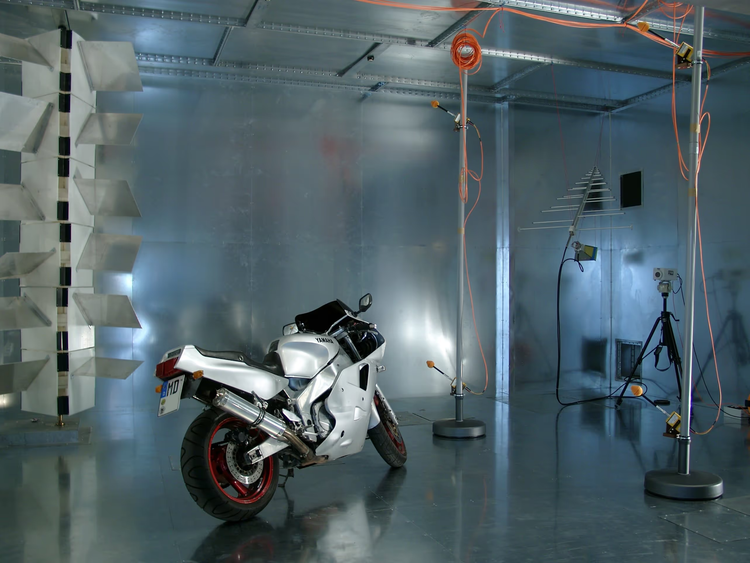
Reverberation Chamber at OVGU
“A Journey Driven by Curiosity”
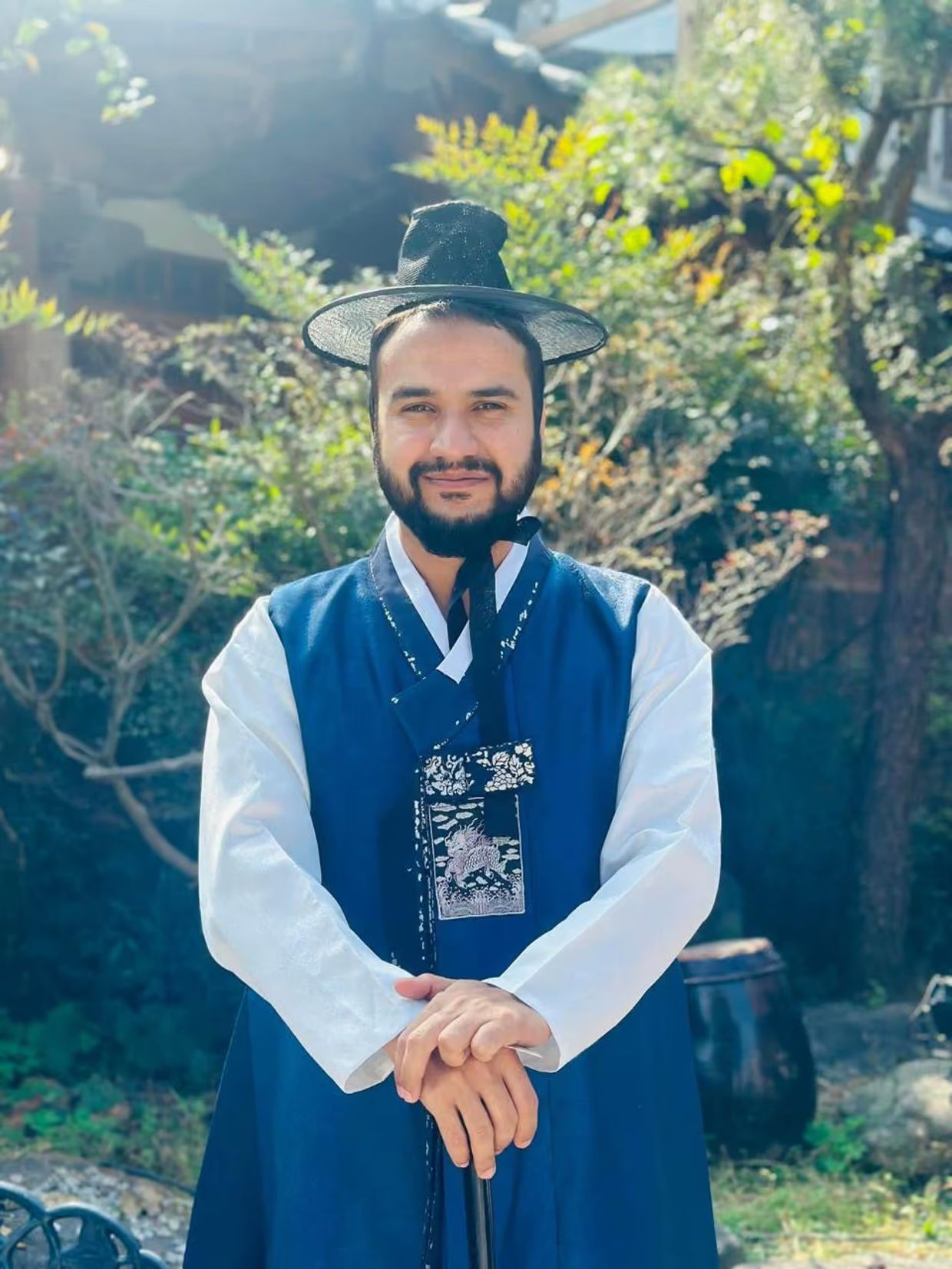
From the early days of my schooling, I always had a habit of questioning how things work. I would often ask simple questions like why one device works in a certain way and why it could not work differently. That curiosity slowly grew into a deeper interest in understanding technology and ideas around me. I was born and raised in Charsadda, Pakistan, a small town located between the Indus and Kabul rivers and once at the heart of the ancient Gandhara civilization. Growing up in such a historically rich place often reminded me that knowledge and learning have deep roots in our region. My journey truly began after completing high school, when I left my hometown in 2013 to pursue higher education. Over the next eight years, until 2021, I completed my bachelor’s and master’s degrees and later worked as a lecturer in a college for a year. Despite this progress, I often felt a sense of incompleteness and wondered whether I was truly on the right path. I was strongly drawn toward exploring new ideas and innovation, but finding a starting point was difficult, as STEM education in my home country still faces challenges related to limited resources and infrastructure. Over time I realized that if I wanted to pursue these interests seriously, I would need to look beyond borders and connect with the wider scientific community. That realization led me to search for opportunities abroad, and soon I received my first acceptance as a research assistant at Chosun University in South Korea under the Brain Korea project, marking the beginning of my international research journey.
A complete new chapter of my life began when I got the acceptance from Chosun University, Gwangju, South Korea. This was not just a change of country for me, it was a shift into a very different academic and cultural environment. My first impression after landing there was like stepping into a fast moving train. Everything around me seemed to move with incredible speed, and the Korean “pali pali” culture, which means “quickly, quickly,” was not just a phrase but a way of life. From the pace of research to everyday routines, everything was efficient, structured, and fast. At the university, most of my time was spent in the lab for long hours, learning and mastering the designing and prototyping of communication equipment like antennas and reflectors for mobile and satellite communication. Reading research papers became part of my daily routine, sometimes late into the night while testing new ideas in the lab. Starting from designing and simulations, and then developing a physical prototype based on those simulations, was an amazing experience. I cannot explain the feeling of creating something from imagination into a physical structure.
Outside the lab, the experience was equally memorable. Adjusting to a new culture brought many small surprises, from getting used to spicy kimchi and Korean barbecue to seeing the beauty of Korean spring when cherry blossoms covered the streets. These moments made the experience richer and reminded me that learning abroad is not only about research, but also about understanding new perspectives and ways of life. Living in such a fast-paced environment taught me discipline, efficiency, and resilience. There were difficult days, of course, but each challenge helped me grow stronger both professionally and personally. Looking back, that period in South Korea was not just about gaining technical skills; it was about developing the mindset required for research.
Building on the experience I gained in South Korea, I started thinking more seriously about the next step in my academic journey. I wanted to continue working in an international research environment and deepen my involvement in research. During this search, I came across the Marie Skłodowska-Curie Actions (MSCA) doctoral program, which immediately caught my attention. These positions are highly competitive, with success rates often around 10–11%, so I understood that applying would require careful preparation and a clear direction.
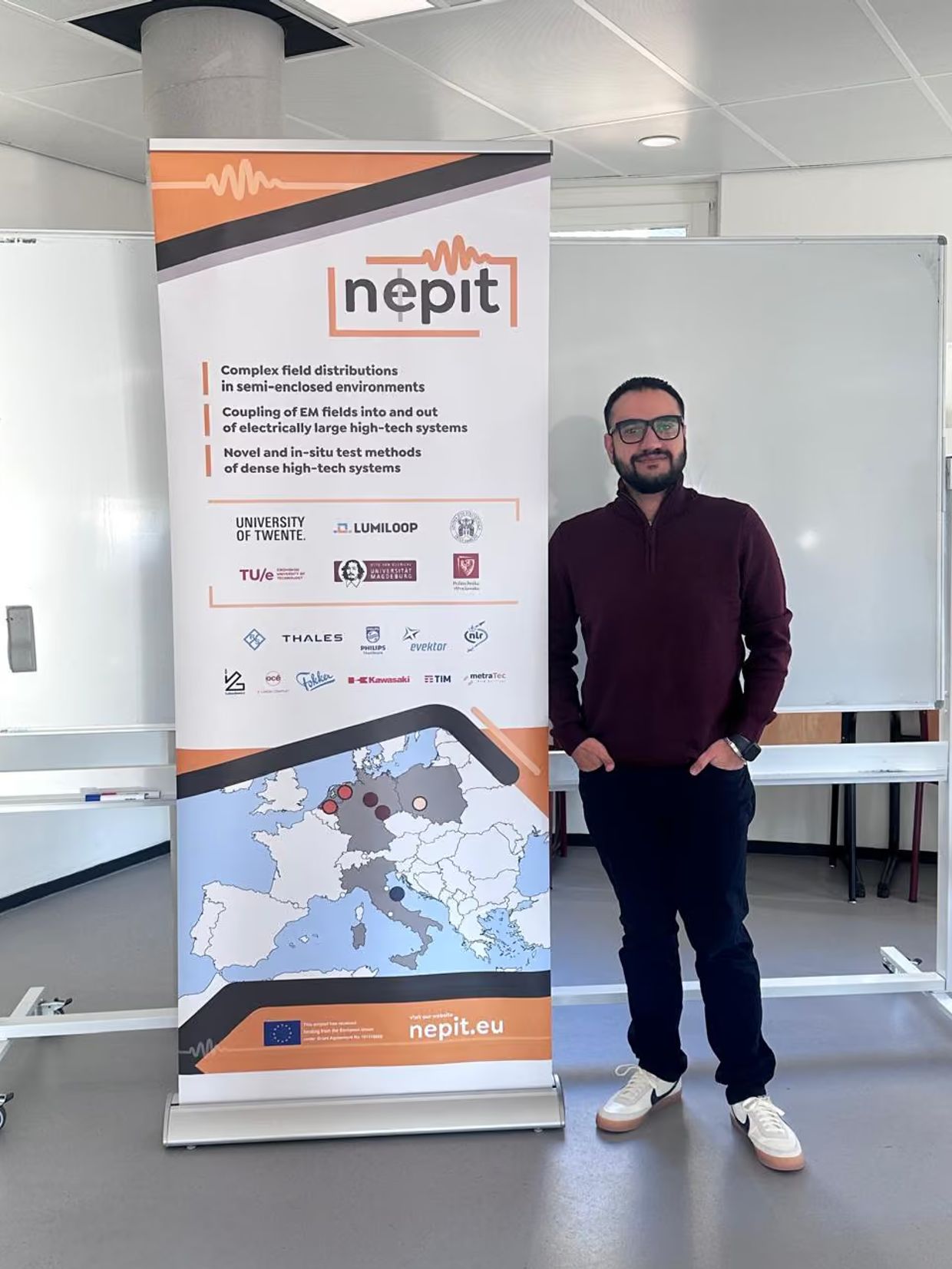
When preparing my application for the NEPIT project, I tried to present my journey as it had naturally unfolded. From my early academic years in Pakistan to my research experience in South Korea, each step had gradually shaped my interest in research and innovation. Rather than presenting it as isolated achievements, I focused on showing how these experiences connected with each other and how they had prepared me for the challenges of a doctoral program. My aim was simply to demonstrate that the path I had followed, across different countries and academic environments, had given me both the motivation and the perspective to contribute positively to the project.
When the acceptance email finally arrived, it felt almost unreal. It was a moment of relief and excitement, knowing that the effort, persistence, and experiences I had gathered along the way had finally led to this opportunity. It felt rewarding to see that the journey I had taken across different countries and academic environments had opened the door to the next chapter of my research path.
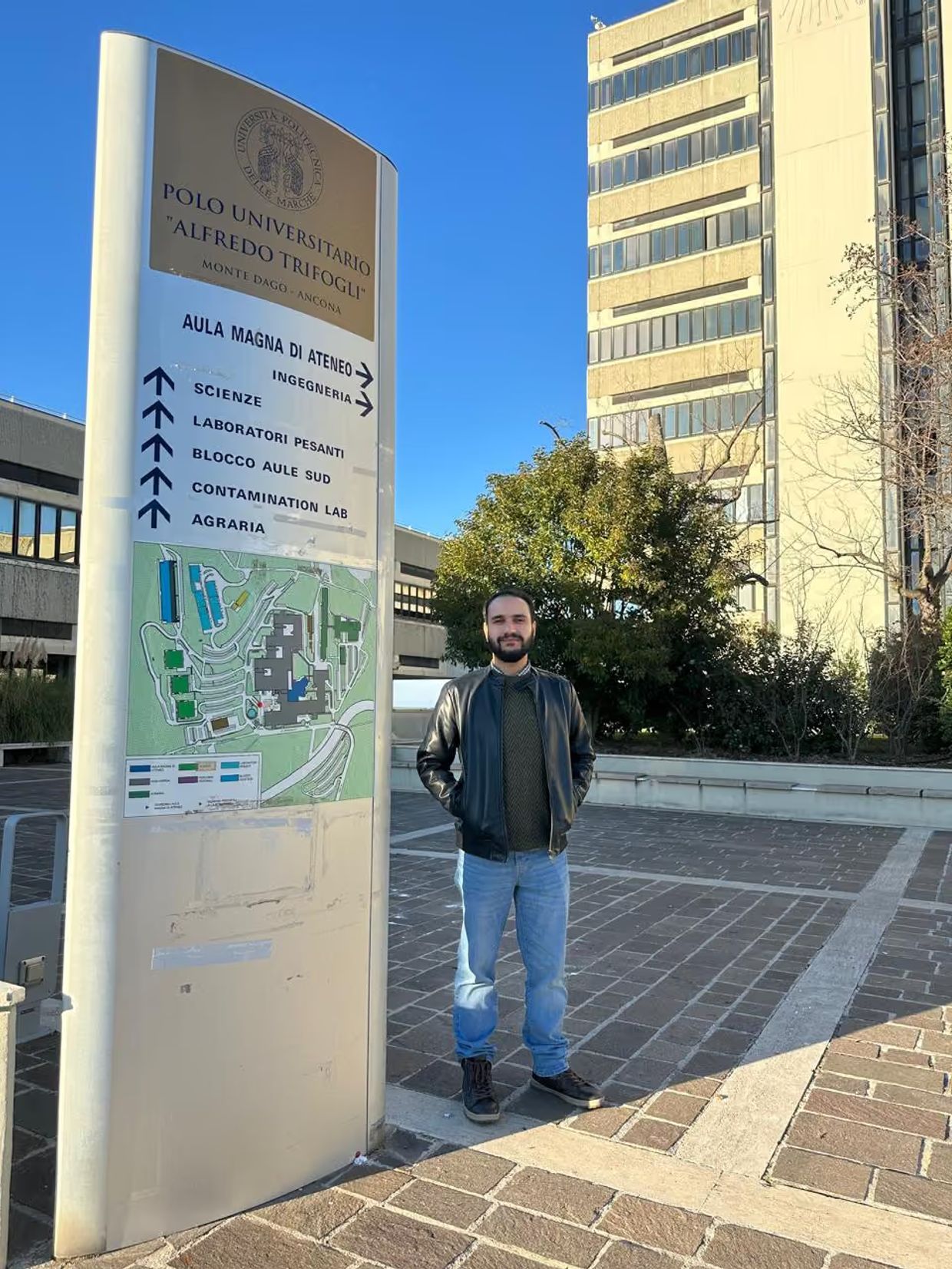
After receiving the MSCA fellowship and joining the NEPIT project, my journey brought me to Italy, opening another new chapter both academically and personally. Moving here felt like a completely different experience compared to my time in South Korea. Instead of the fast-paced environment I had experienced in South Korea, life in Italy followed a very different rhythm. My current research focuses on Electromagnetic Compatibility (EMC), which in simple terms aims to understand how electromagnetic waves behave in complex environments and how electronic systems can operate without interfering with each other.
Life outside the lab has been just as interesting as the research itself. The atmosphere here feels more relaxed, and I gradually learned to balance the demands of a PhD with everyday moments such as evening walks through the city, shared meals with colleagues, and the occasional espresso break during the day. These small things became part of the routine and helped me appreciate a healthier balance between work and life.
At the same time, adapting to a new country also brought its own challenges. Simple tasks like opening a bank account, arranging documents, or dealing with administrative procedures sometimes required patience and persistence. The language barrier was another hurdle at the beginning, but learning some Italian helped a lot, not only in daily life but also in connecting with people around me. Over time, these experiences became part of the journey as well. They reminded me that moving across countries is not only about research, but also about learning how to adapt, understand different cultures, and grow both personally and professionally.
For fellow researchers, or anyone studying abroad and reading this, one thing I have learned along the way is that your origin doesn’t limit your destination. Every place you study, every lab you work in, and every new environment you experience adds another step to your journey. Looking back at my own path, moving from my hometown in Pakistan to South Korea and now to Italy, each stage taught me something new and helped shape the direction of my career.
If you are hoping to pursue opportunities such as an MSCA fellowship or other international research programs, a few lessons from my experience may be helpful. Try to build connections and a global network, as every lab, conference, and collaboration can open new doors. It is also important to think about the impact of your research, not only the results but why the work matters and how it can contribute to solving real problems. Finally, resilience is essential, because the path is rarely straightforward and often includes uncertainty, rejections, and practical challenges. If my journey could begin in a small town and eventually lead me to pursue a PhD in Europe, then it shows that with curiosity, persistence, and openness to opportunities, the path can take you much further than you might initially imagine.